
- Car & Driving Situation
- Green Card for the Car
- Safety of Traveling for Women
- Clothing
- Currency
- Highlights
- Our Route
I visited the Balkan region this spring for a sisters road trip, and wow, it truly exceeded all of our expectations! One of my sisters, who lives in the US, was planning to visit Croatia with a friend. Since the other three of us already live in Europe, we decided to extend her trip and meet up with her somewhere near Croatia a week earlier. We’re all well-traveled, and one thing we love is discovering new places we haven’t been to yet, so we set out to find a country, or in this case a few countries, we’d never explored before. North Macedonia, Albania, Montenegro, Bosnia & Herzegovina and Croatia were the countries we chose and where our road trip took us through. (Map at the end!)
Some of these Balkan countries aren’t the typical travel destinations we know a lot about, so before fully committing, we wanted to make sure it would be safe, especially for four girls traveling alone. We did plenty of research (as one does), and everything we found said these countries are actually quite safe for women, and that surprisingly, driving might be the most dangerous part!
Car & Driving Situation
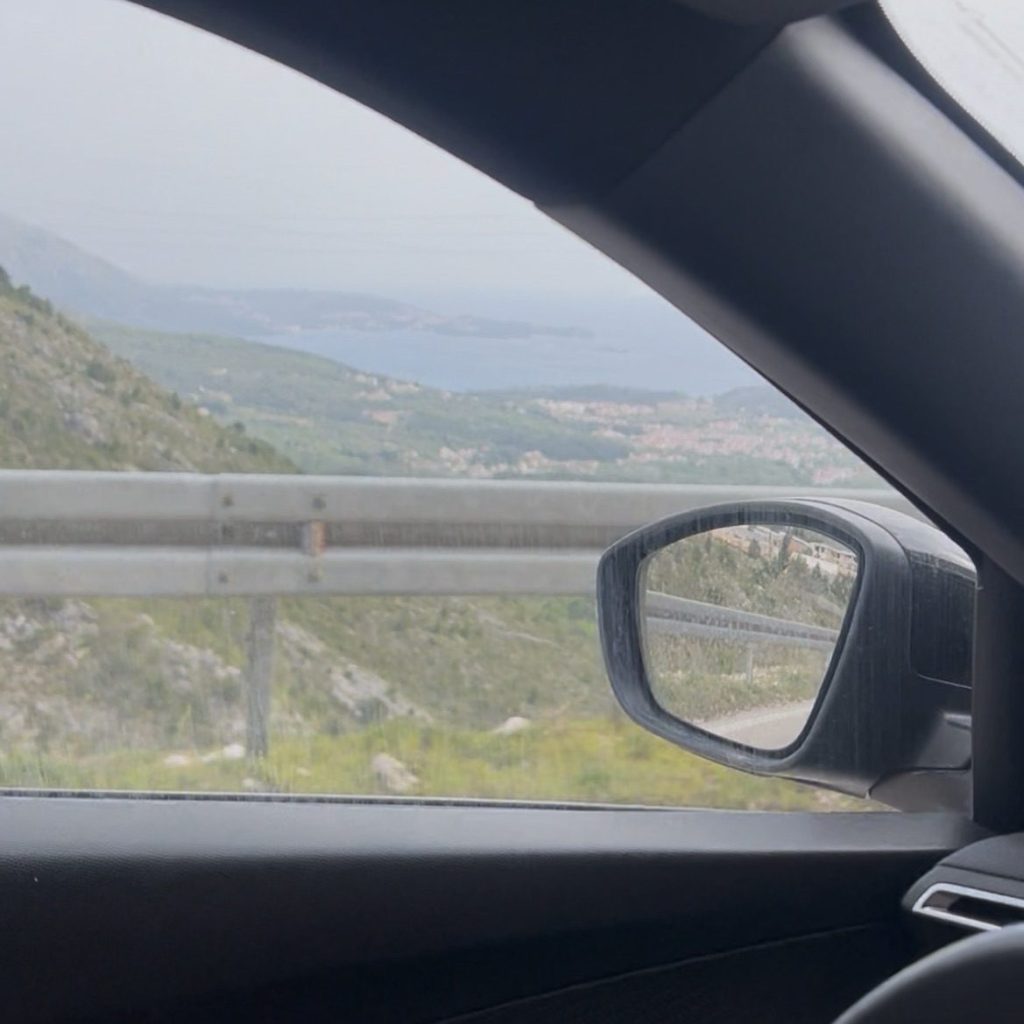
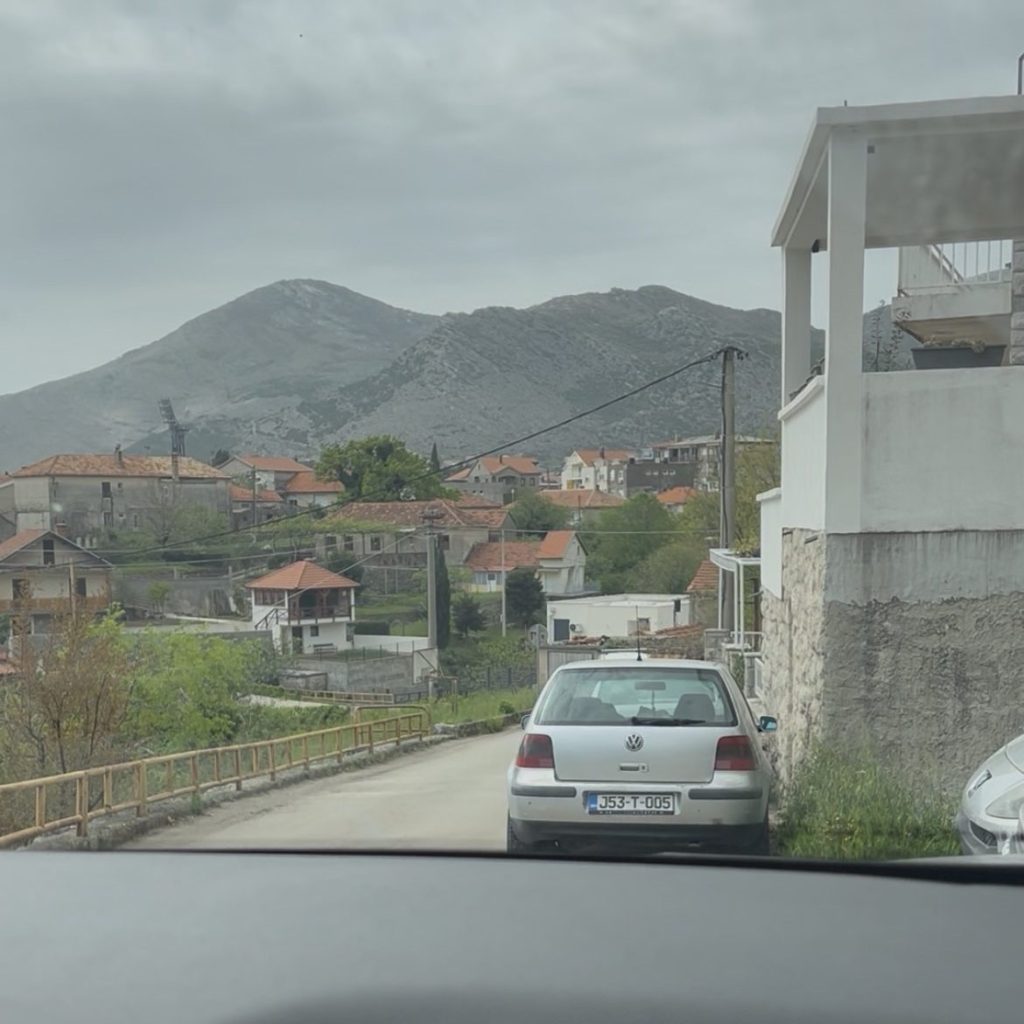
From our experience, based on the routes we took, driving didn’t end up being dangerous at all. Or at least no more dangerous than driving usually is, with the occasional questionable decisions from other drivers. Some streets were definitely narrow, and there were a few potholes here and there, but nothing too bad. Having our own car gave us so much freedom, and we wouldn’t have seen even half of what we experienced without it. So it was 100% worth it, and I definitely recommend it.
Going through the borders was also very easy. We just had to show our passports and the car’s green card, and that was it. The longest border crossing took about 30 minutes, mainly because it was a holiday and more people were traveling. Otherwise, it was usually around 10 minutes.
We booked our car online through a random rental website, which showed multiple options: mini, van, automatic, different brands—just like usual. My sister is 25, so we were able to get normal prices. If you’re under 25, you’ll have fewer options and usually have to pay an extra fee for insurance.
We only ran into tolls in North Macedonia, which was a bit surprising. Driving from Skopje to Ohrid alone had about five toll stops, each costing around €0.50–€1. Other than that, we didn’t come across any more tolls.
Green Card for the Car
If you’re planning to drive through multiple countries, make sure to let the rental car company know in advance. This is really important, as they need to issue a green card for the car. Each additional country usually costs around €30, so keep that in mind.
There’s also the option to drop off the car in a different country, BUT this comes with an expensive extra fee. The cost depends on how far the drop-off location is from where you picked it up. For example, picking up a car in North Macedonia and dropping it off in Croatia automatically adds around €600 to your booking. If you’re road-tripping for a longer period, this might be worth it. But for a shorter trip, I’d recommend just driving back to the original country.
Safety of Traveling for Women
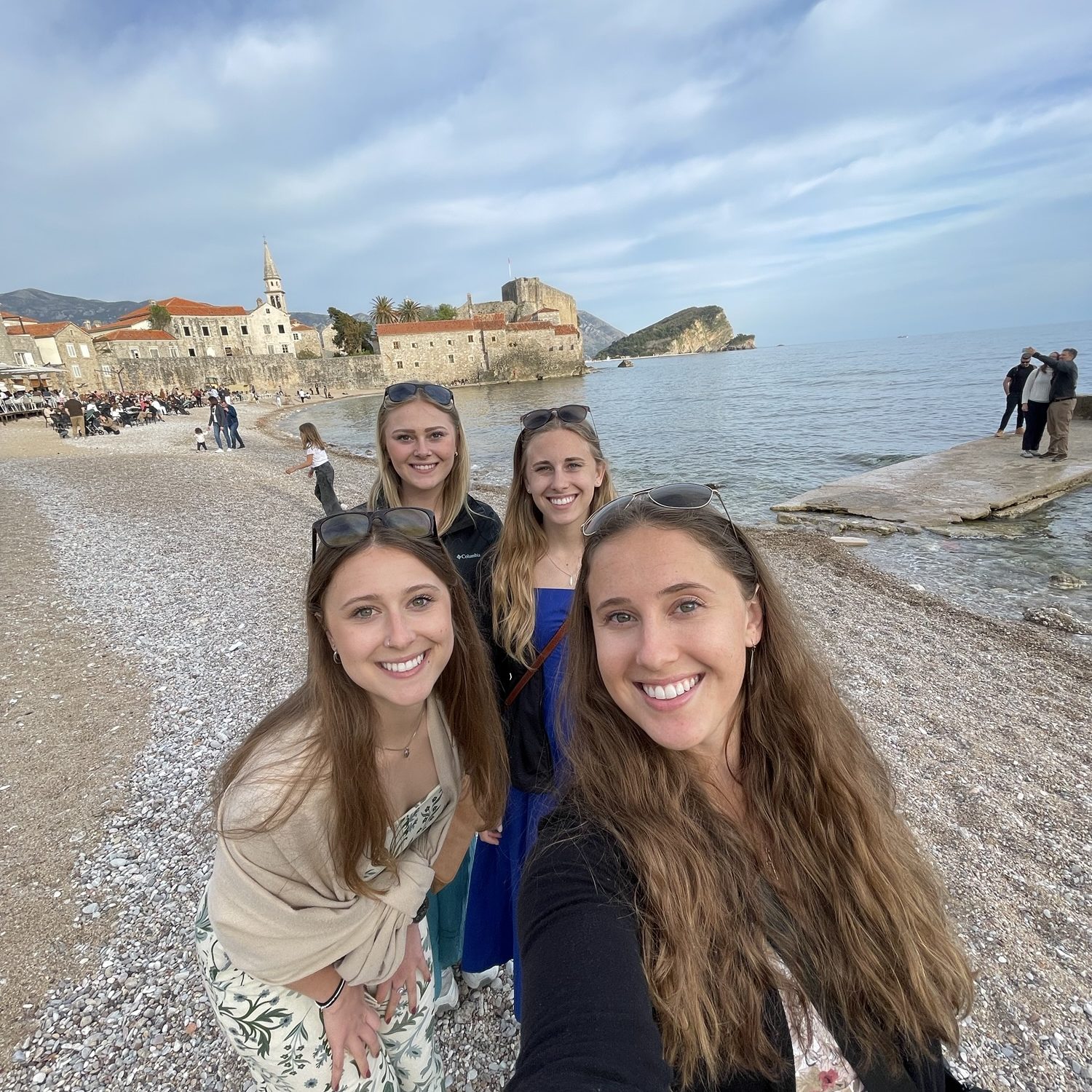
Overall, we felt very safe throughout the entire trip. Before going, we had read that safety for women wasn’t a major concern in these countries, but of course, you never fully know until you experience it yourself. From the start, we made a conscious effort to be mindful, especially when it came to how we dressed and presented ourselves.
There were a few moments where we got some stares from groups of men, but honestly, that also had a lot to do with the fact that we were four obviously foreign girls driving through smaller towns and villages. And to be fair, those kinds of looks can happen pretty much anywhere in the world.
Clothing
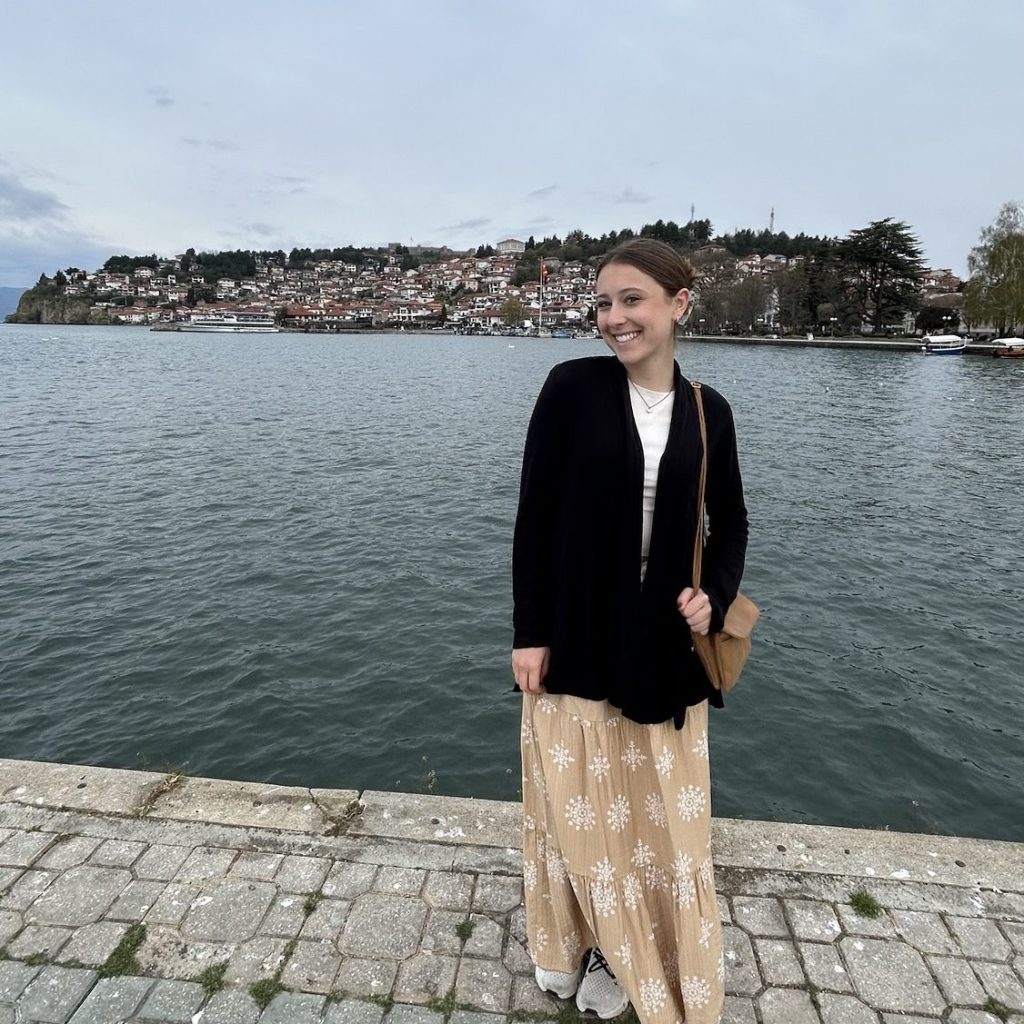
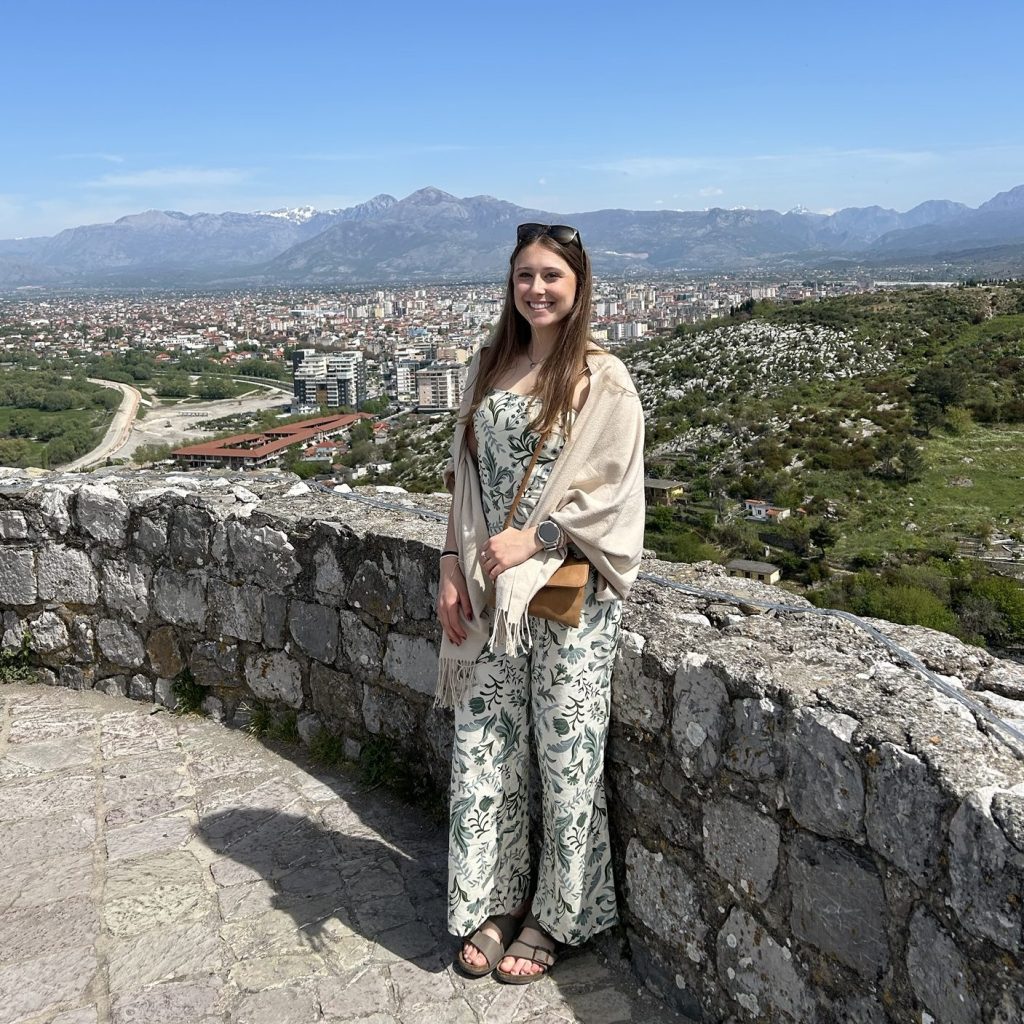
What you wear definitely matters. From what we read beforehand, dressing a bit more conservatively is generally recommended, so covering shoulders and wearing clothing below the knees. That said, it wasn’t nearly as strict as somewhere like Egypt. Still, we personally felt more comfortable being a bit more covered overall. We already stood out as tourists, so avoiding unnecessary attention from showing too much skin just made things easier.
That being said, the closer we got to the coast, the more touristy it became, and in those cities it didn’t really matter as much what you wore.
I did bring a couple of spaghetti strap dresses, but pairing them with a shawl or a light cardigan worked perfectly as an extra layer. For reference, my packing list included T-shirts, long sleeves, long dresses, long pants and skirts, a shawl, and tennis shoes.
Currency
Euros, Euros, Euros! Even though not all countries in the Balkan region officially use the euro, it is still widely accepted in most places. That said, paying by card wasn’t always possible and often not possible at all. So make sure to have enough euros on hand. All of the accommodations we booked, for example, had to be paid in cash, which does take a good chunk of your euros at once.
Bosnia and Herzegovina was the only country where euros weren’t always accepted. However, it was very easy to exchange euros into their local currency, the Convertible Mark, at exchange kiosks for a very small fee.
Highlights
This was such an incredible experience, and you can read about the full journey—including tips and details—in each country’s blog post. Looking back, it’s hard to choose favourites, but a few moments definitely stand out.
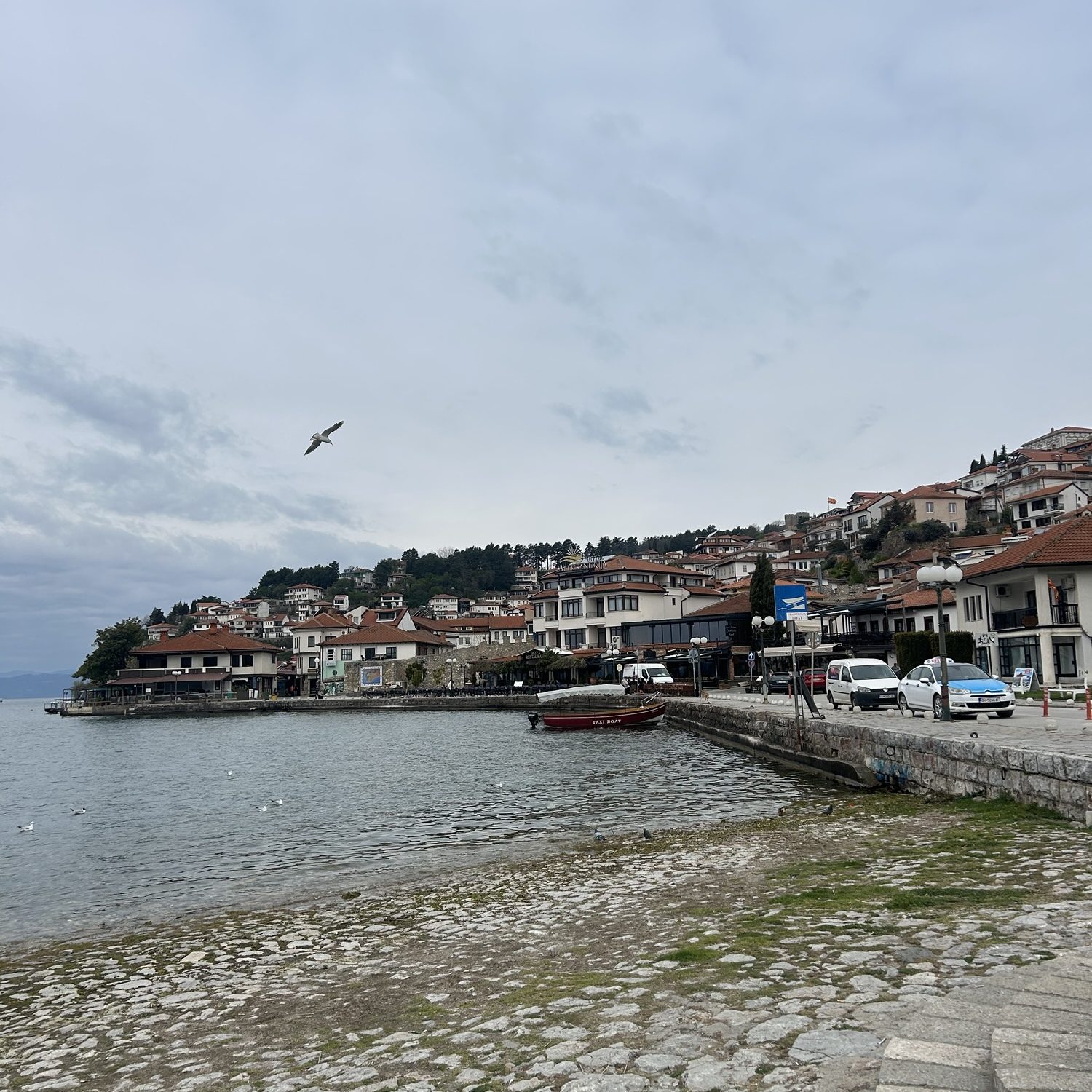
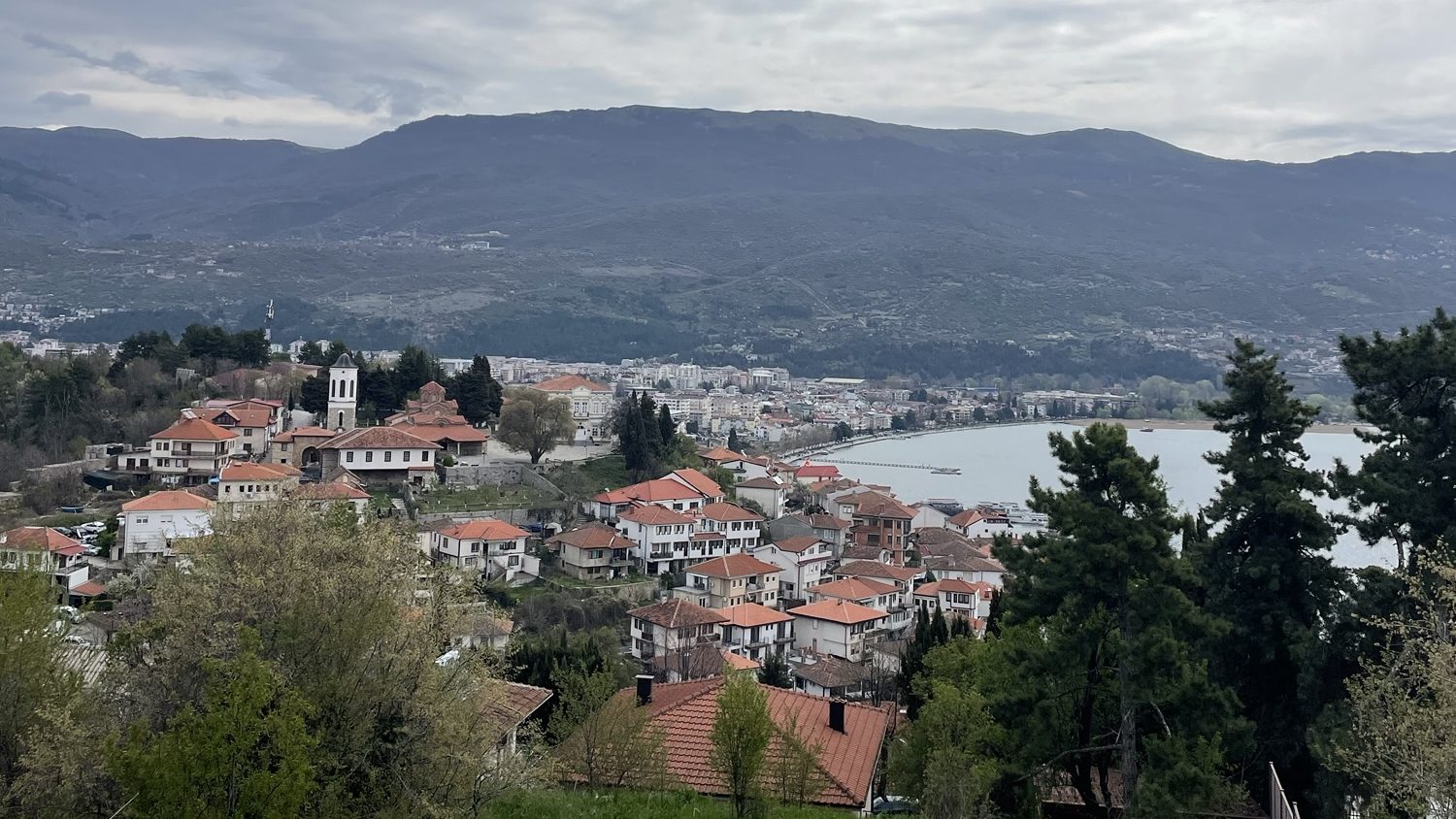
One highlight was exploring the lakeside town of Ohrid in North Macedonia. It had such a calm feel, maybe due to the fact that we were there in the off-season, but also because of the churches, views, and charming streets that were perfect for wandering. Not to mention Lake Ohrid itself, which gave me strong Lake Constance (Bodensee) vibes.
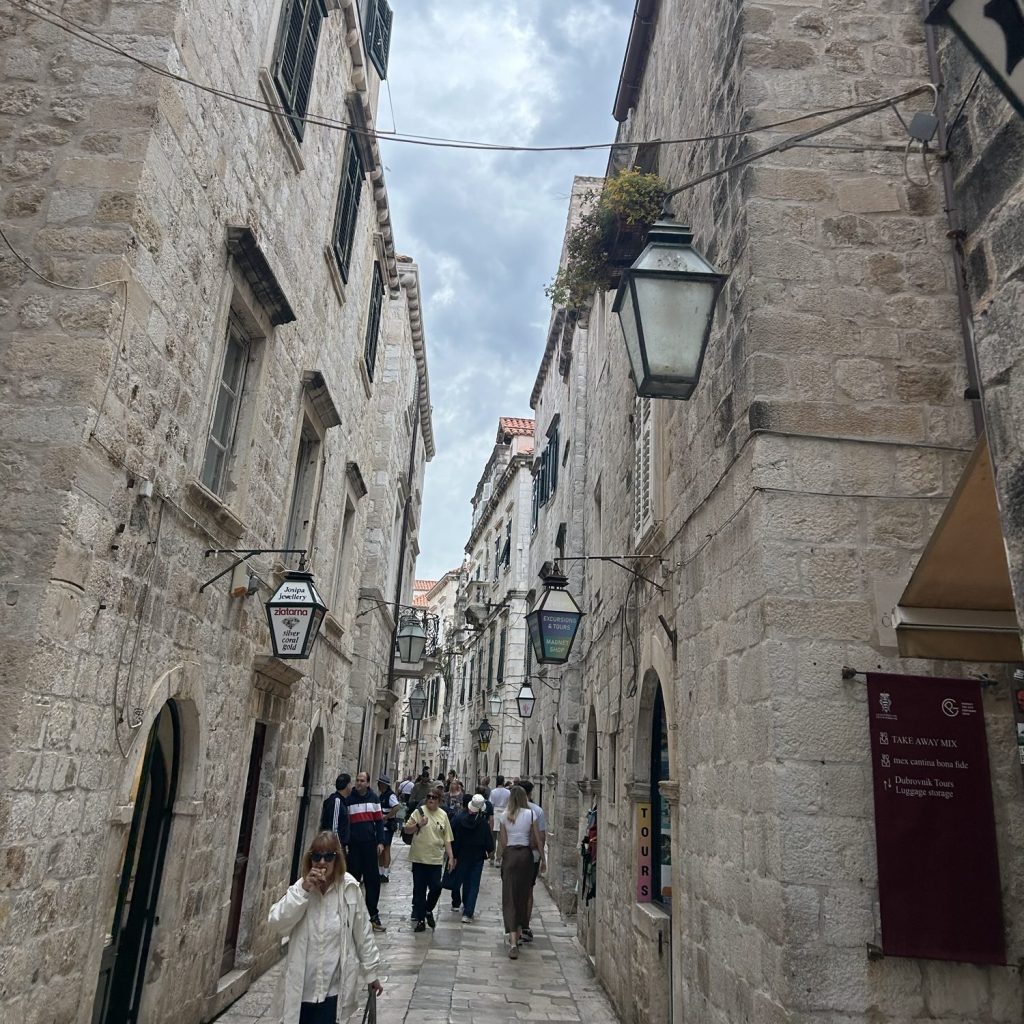
I also really enjoyed exploring the walled cities along the way, especially Dubrovnik in Croatia. It’s the largest of them all, and getting lost walking along the city walls, both day and night, felt like a maze in the best way possible—just a total blast.
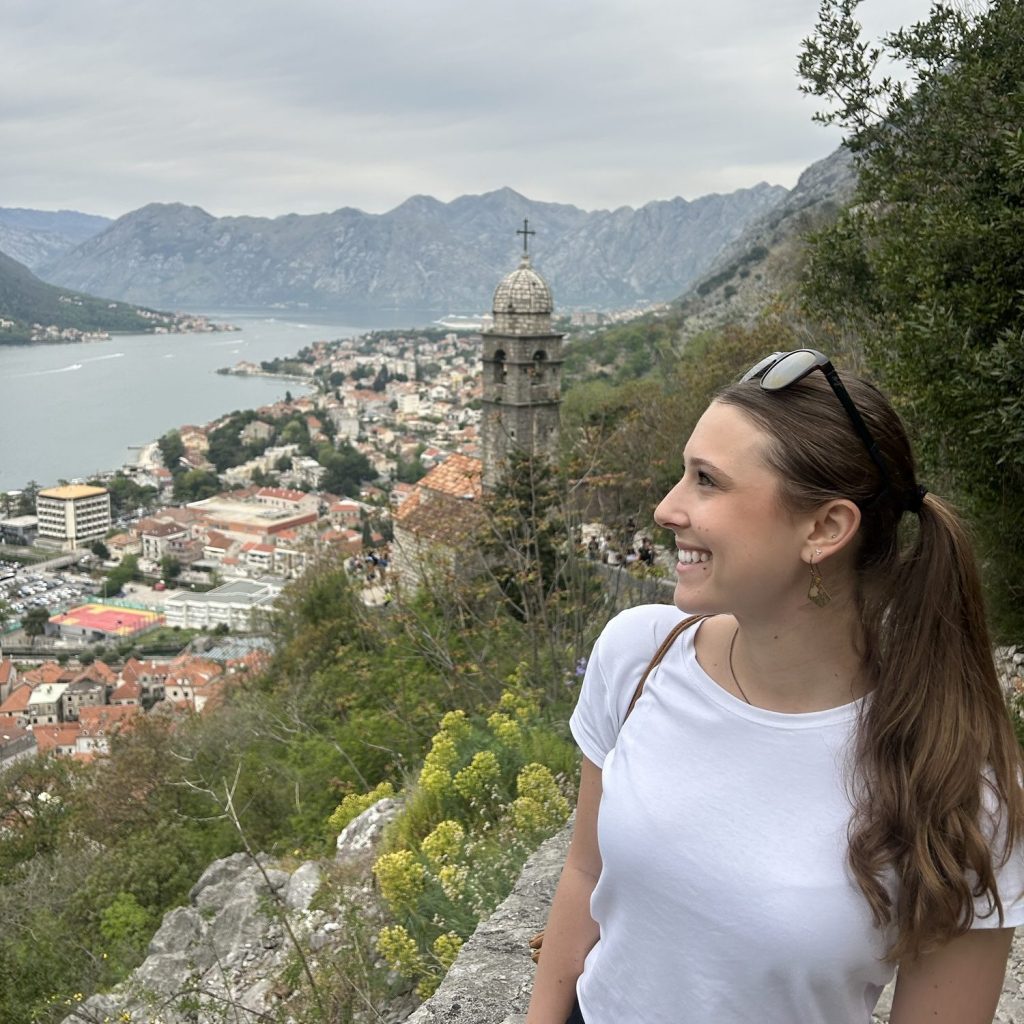
Another unforgettable moment was hiking up to the Kotor Fortress in Montenegro. The climb was quite intense. I can’t imagine doing it in the summer heat… but the views over the bay at the top make it completely worth it. We sat up there for a good while just taking it all in, and it was easily one of the most memorable parts of the trip with my sisters.
Our Route
North Macedonia: Skopje > Matka Canyon > Ohrid > St. Naum
Albania: Tirana > Lezhë > Shkodër
Montenegro: Budva > Kotor > Perast > Herceg-Novi
Bosnia & Herzegovina: Trebinje
Croatia: Cavtat > Dubrovnik
The individual blog posts for North Macedonia, Albania, Montenegro, Bosnia & Herzegovina and Croatia are coming up!


Leave a Reply!